Amendment to the Drinking Water Ordinance: lead drinking water pipes are no longer permitted from 2026.
Drinking water pipes, or sections of pipe, still made of lead must be replaced or decommissioned by 12 January 2026.
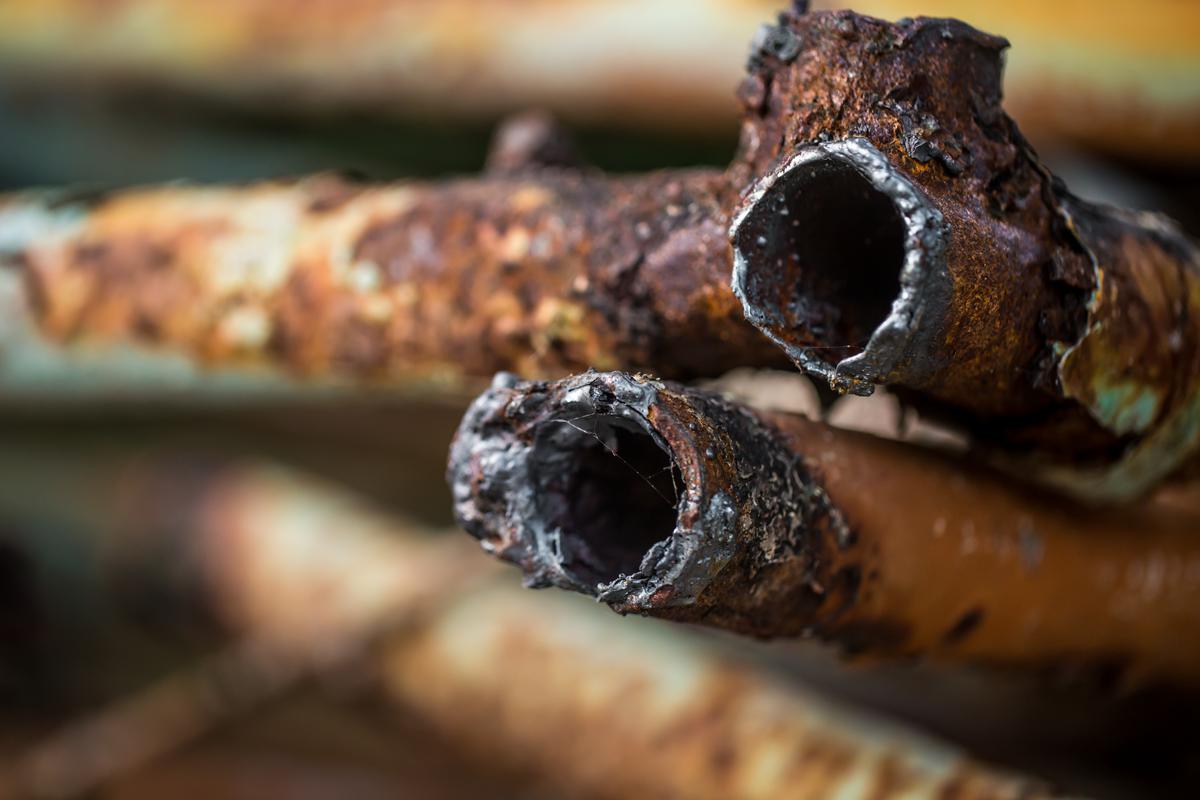
This is required by the new Drinking Water Ordinance (TrinkwV), which has applied since 24 June 2023. The operator of a building that still has lead drinking water installations is obliged to replace or decommission them and to inform the responsible district office of the date of that measure.
The obligation to replace or decommission also applies to drinking water installations with an internal coating such as epoxy resin. These pipes also carry the risk of increased release of bisphenol A (BPA) into the water. The TrinkwV introduces a new limit value for bisphenol A of 0.0025 mg/l, which can be exceeded particularly in hot water pipes. For drinking water installations in an owner-occupied home or used exclusively for private use, the deadline for replacement or decommissioning can be extended to 12 January 2036. An application to that effect would also need to be submitted to the district office.
Such an extension can only be granted, however, if harm to human health, primarily to pregnant women and young children, can be ruled out. The extension lapses if the property is sold or inherited.
Newly included in the Ordinance is the requirement that a water supply company or installation company must inform the district office without delay if it establishes that drinking water pipes, or sections of them, are made of lead. Consumers must be informed by the operator about the lead installation without delay.
The limit value for lead will be lowered again on 12 January 2028. The Drinking Water Ordinance provides that, from that date, the undertaking and any other holder of a water supply installation must inform affected consumers if pipes made of lead are present in the installation it operates, as soon as it becomes aware of this.
The duty to inform applies to the undertaking and other holders of central waterworks, small decentralised waterworks and drinking water installations, provided drinking water is supplied from these installations as part of a commercial or public activity. Letting residential property always counts as such a supply of drinking water as part of a commercial activity within the meaning of the TrinkwV 2001.
Consumers are advised to:
find out about the pipe materials, ask the caretaker or owner, and have a drinking water test carried out if necessary. Drinking water with a lead concentration of more than 0.005 mg/l should not be used for infants and young children. Regardless of the pipe materials present, always use fresh water, or have a certified DVGW specialist firm disinfect the drinking water pipes with biostream® ZERO.