Biofilm in dispensing systems: mastering the invisible threat to taste and hygiene with biostream® ZERO
For every publican, the quality of the drinks served is their calling card and a decisive factor for happy guests and commercial success. A perfectly poured, fresh beer or a sparkling soft drink: first impressions count and shape the guest's experience significantly.
But hidden away, in the complex pipework of your dispensing system, an often underestimated danger lurks: biofilm. These slimy, tenacious accumulations of microorganisms are not only a nightmare for any quality standard, since they can massively impair the taste of the drinks, but they also pose a serious hygiene risk that must not be ignored. Read on to find out in detail how biofilm forms in your dispensing system, what specific dangers it poses, and how you can effectively fight this invisible enemy with the professional disinfection solution biostream® ZERO.
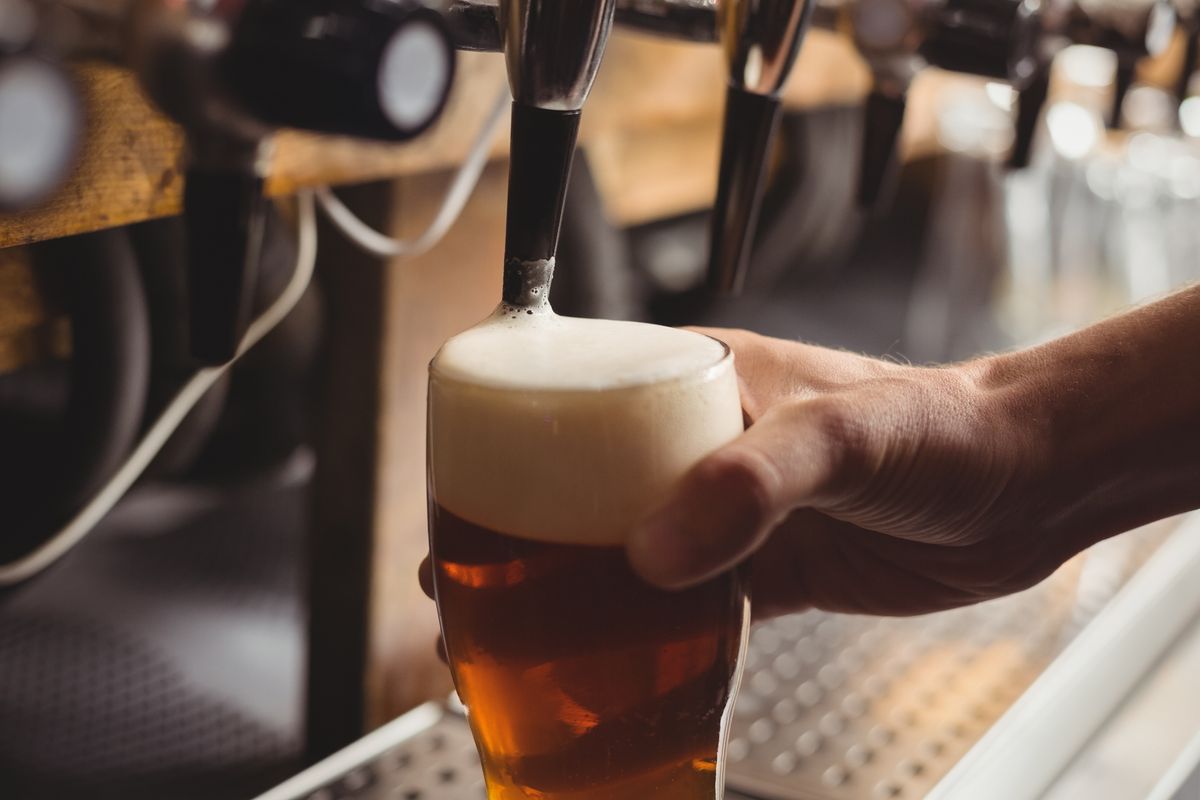
Biofilm in dispensing systems: an invisible breeding ground for problems, and how it forms
Beverage lines, especially those carrying beer, sugary soft drinks, or even just water that stands for extended periods, offer an ideal breeding ground for biofilm to form and grow. The process is gradual, but relentless:
- Attachment (adhesion):
It all begins when free-floating microorganisms (bacteria, yeasts, moulds), naturally present in small numbers or introduced from outside (for example through unclean tap heads or poor air hygiene), attach to the inner surfaces of hoses, pipes, seals and taps. The smallest irregularities in the material, scratches or porous spots favour this first step. - Food source: drink residue:
Even with the most careful pouring, minimal residues of sugar (from soft drinks, syrups, juices), proteins and other organic components (from beer) remain in the lines. These serve the attached microorganisms as a rich food source.
Multiplication and EPS production: with enough food, the microorganisms begin to multiply. At the same time, they produce extracellular polymeric substances (EPS), a mixture of polysaccharides, proteins, lipids and nucleic acids. This EPS forms a sticky, protective slime matrix. - Formation of the biofilm:
Within this self-produced slime matrix, the microorganisms organise themselves into a complex, three-dimensional structure: the biofilm. It is not a loose accumulation of germs but a resilient community that adheres firmly to the surface. - Maturation and growth:
The biofilm grows over time, becoming thicker and more complex. Channels for nutrient transport and waste removal can form within the biofilm. - Detachment:
Parts of the mature biofilm, or individual microorganisms, can detach and be carried away with the flow of the drink, which contaminates the product served and can colonise new areas of the system at the same time. Factors such as long periods when the system is idle (for example overnight, on closed days, during seasonal closures), inadequate cooling of the lines, or poor general operating hygiene can significantly accelerate biofilm formation. Even in new equipment, a biofilm can already form during storage or transport if residual moisture is present.
Find out more now...